
May 20th is World Bee Day – the perfect time to rethink that lawn mower and celebrate the unsung heroes of our ecosystem: wildflowers.
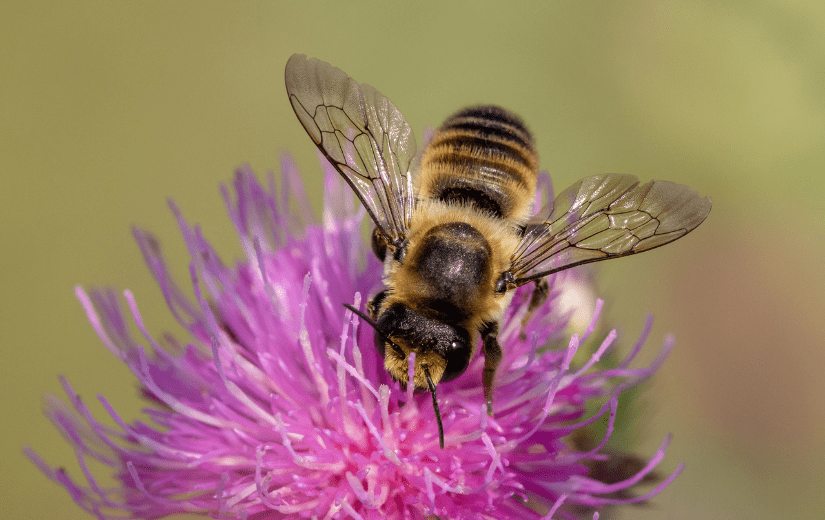
The Wildflower-Bee Connection
When you see dandelions, clover, and wild grasses popping up in your yard, your first instinct might be to mow them down. But here's what's really happening: you're looking at a bee buffet.
Those bright yellow dandelions that dot your lawn in early spring? They're often the first substantial food source available to bees emerging from winter – particularly crucial in British Columbia's variable spring climate. That patch of clover you've been meaning to eliminate? It's providing protein-rich pollen that bees need to feed their young. The wild violets, chickweed, and self-heal you consider nuisances? They're lifelines for our local pollinators.

Wildflowers are critical for bee survival because:
-
Early Season Nutrition: Dandelions, native bleeding hearts, and early spring wildflowers provide essential pollen and nectar when little else is blooming. After a long Pacific Northwest winter, bees desperately need this nutrition to rebuild their colonies.
-
Diversity Matters: Different wildflowers bloom at different times, creating a continuous food source throughout the season. Just like humans need varied diets, bees require diverse pollen sources for optimal health.
-
Native Plants = Native Bees: British Columbia is home to over 450 native bee species, and many have co-evolved with specific BC wildflowers over thousands of years. Western bumblebees, mason bees, and mining bees all depend on our native flora. These relationships are so specialized that some bees can only collect pollen from certain native plants.
-
Chemical-Free Zones: Wildflowers in unmowed areas are typically pesticide-free, unlike manicured lawns that often receive regular chemical treatments. These chemicals can be devastating to bee populations, particularly our vulnerable native species.
-
Nutritional Powerhouses: Wildflowers often contain higher concentrations of nutrients than cultivated ornamentals, which have been bred for appearance rather than nectar and pollen production.
BC's Native Wildflower Treasures
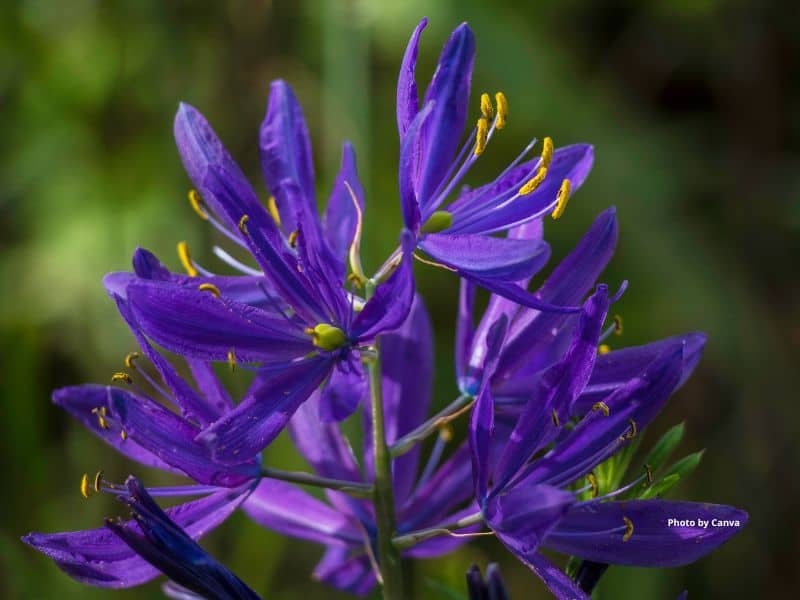
British Columbia's diverse ecosystems – from coastal rainforests to Interior grasslands – support an incredible array of native wildflowers that our bees depend on:
Coastal and Lower Mainland favourites:
- Camas (beautiful blue spring blooms)
- Salal (evergreen understory favorite)
- Red flowering currant (early spring nectar source)
- Oregon grape (BC's floral emblem!)
- Wild strawberry
Interior and mountain species:
- Lupines (nitrogen-fixing bee magnets)
- Arrowleaf balsamroot (stunning yellow spring flowers)
- Fireweed (the iconic pink blooms that follow forest fires)
- Wild bergamot
- Asters and goldenrods (critical fall food sources)
Many of these are already growing wild in unmowed areas – you just need to let them flourish!
The Case Against the Mower
That perfectly manicured lawn? It's essentially a food desert for pollinators. The North American obsession with pristine, golf-course-style lawns has eliminated millions of acres of potential bee habitat across Canada.
When you mow down wildflowers and grasses, you eliminate:
-
Critical nesting habitat: Many of BC's native bees – including our economically important mason bees and leafcutter bees – nest in hollow plant stems and unmowed grass. When you mow, you're potentially destroying homes and nurseries for the next generation of bees.
-
Diverse pollen sources: Bees need variety in their diet just like we do. A monoculture lawn offers nothing, while a diverse wildflower meadow offers complete nutrition.
-
Early and late-season blooms: BC's growing season can be challenging, with cool, wet springs and early falls. Wildflowers provide the critical bridge that keeps colonies alive during these lean times.
-
Protected microclimates: Taller grasses and wildflowers create sheltered spaces where bees can escape BC's infamous spring rains and occasional late frosts.
-
Larval food plants: Some bee species need specific plants not just for nectar, but as food for their developing young.
The "No Mow" Movement Comes to Canada
Across British Columbia and Canada, homeowners, cities, and conservation organizations are embracing a new approach: letting nature do its thing, at least part of the time.
No Mow May, which started in the UK and has been championed by organizations like the David Suzuki Foundation and Pollinator Partnership Canada, encourages people to leave their mowers in the garage for the entire month. The results have been remarkable. Studies show that lawns left unmowed in May can support five times more bee species and produce significantly more floral resources than mowed lawns.
Canadian cities are getting on board too. Communities across BC and beyond are converting public spaces into pollinator meadows, reducing mowing in parks, and encouraging residents to do the same. Some municipalities have even updated bylaws to be more pollinator-friendly, recognizing that what was once considered "overgrown" is actually critical habitat.
But the benefits extend beyond May. Even reducing mowing frequency or creating permanent wildflower areas can make a substantial difference. BC gardeners are discovering that once established, native wildflower meadows are actually easier to maintain than traditional lawns – requiring less water (important during our increasingly dry summers), no fertilizers, and minimal maintenance.
What You Can Do This May (and Beyond)
🐝 Start a "No Mow May" tradition – Let at least part of your lawn grow wild through May. You might be surprised by what blooms when you give nature a chance. Document the wildflowers that appear and watch how many pollinators visit. In BC's coastal regions, you'll likely see dandelions, clover, and wild violets. In the Interior, watch for early lupines and native grasses.
🌼 Create wildflower islands – Designate areas of your yard as permanent no-mow zones. Even a small patch in a corner of your property can make a difference. Over time, these areas will develop into mini-meadows that support not just bees, but butterflies, beneficial insects, and birds too.
🌱 Plant BC native wildflowers – Visit local native plant nurseries and ask for pollinator-friendly species appropriate to your region. Coastal gardeners might choose red flowering currant, oceanspray, and kinnikinnick. Interior gardeners could plant blanketflower, yarrow, and native penstemons. The Native Plant Society of BC is an excellent resource.

💧 Reduce watering and chemicals – Native wildflowers are adapted to BC's climate and need far less intervention than traditional lawns. Once established, they're drought-tolerant and pest-resistant. This is especially valuable during Metro Vancouver's summer watering restrictions and the Interior's dry spells.
📚 Educate neighbours – Share why your "messy" yard is actually a conservation effort. Put up a small sign explaining your pollinator garden. Many BC communities now have "Pollinator Friendly" yard signs available through local environmental groups. Your neighbours might be inspired to join you!
🏛️ Advocate locally – Contact your municipality about pollinator-friendly policies. Many BC cities are developing pollinator strategies and welcome community input. Could your local park have a wildflower meadow? Could boulevard bylaws be updated?
🌾 Leave the leaves (and stems) – In fall, resist the urge to cut everything down. Many native bees overwinter in hollow stems and leaf litter. Wait until late spring to do cleanup, giving bees a chance to emerge first.
The Bigger Picture: BC's Bee Crisis
This isn't just about aesthetics or honey production – it's about survival. BC has lost significant pollinator habitat over the past decades due to urbanization, agricultural intensification, and climate change. Several of our native bumblebee species are now listed as threatened or at risk.
Pollinators are responsible for one in three bites of food we eat. In BC's agricultural heartlands – the Fraser Valley, Okanagan, and Vancouver Island – bees pollinate everything from blueberries and apples to cucumbers and squash. Without healthy pollinator populations, our food security is at risk.
The good news? Every yard that goes wild, every unmowed patch, every native plant adds up. Collectively, residential yards in Canada cover more area than all our nature reserves combined. Your small action multiplies across neighbourhoods, cities, and provinces.
From Our BC Hives to Your Table
At BCB Honey, we see firsthand how diverse forage creates exceptional honey. The wildflowers our bees visit across British Columbia don't just sustain them – they create the complex, nuanced flavors in every jar we harvest.
Our bees forage on everything from coastal blackberry blooms to fireweed, from lowland clover to mountain wildflowers. When you support wildflowers in your yard, you're contributing to this incredible biodiversity. We've noticed the difference when neighborhoods embrace No Mow May – our bees return with fuller pollen baskets, colonies are stronger, and the honey has more depth and character.
Take Action This May
This World Bee Day, we're celebrating the humble wildflower and inviting you to join the movement. Let things grow a little wild. Your bees (and our bees!) will thank you.
Start small: Even just delaying your first mow until late May makes a difference.
Think local: Choose BC native plants that support BC native bees.
Spread the word: Share your pollinator garden journey with neighbours and on social media.
What wildflowers are blooming in your yard right now? Share your photos with us using #WildForBees and @BCBHoney
Together, we can turn BC's lawns into a network of pollinator highways – one dandelion at a time.